
Blog

Chocolate, Culture & Curiosity: A Science Market Workshop at Glunten Montessori
- Keywords
- Science Market Uppsala
- STEM education Sweden
- Science workshops for schools
- Hands-on science activities
- Interactive STEM learning
- Chocolate science workshop
- Educational science programs Uppsala
- Storytelling in science education
What happens when STEM education, science workshops for schools, and a dash of creativity meet history? At Glunten Montessori School in Uppsala, we found out! Over 40 enthusiastic 8-year-olds joined us for an unforgettable Science Market Uppsala workshop that blended science communication, storytelling in education, and hands-on learning.
We began with a theatrical journey through the history of chocolate—from its sacred role in Mesoamerican cultures to its transformation into a European delicacy. Students discovered how cocoa was used in rituals, why hot chocolate became a royal favorite, and how the very first chocolate bar was created.
This wasn’t just a history lesson. We combined knowledge from history, biology, and chemistry, using storytelling as a powerful technique to make science come alive. Students learned about the cocoa plant, fermentation process, and the chemical reactions that turn bitter beans into sweet treats—all through an engaging narrative.
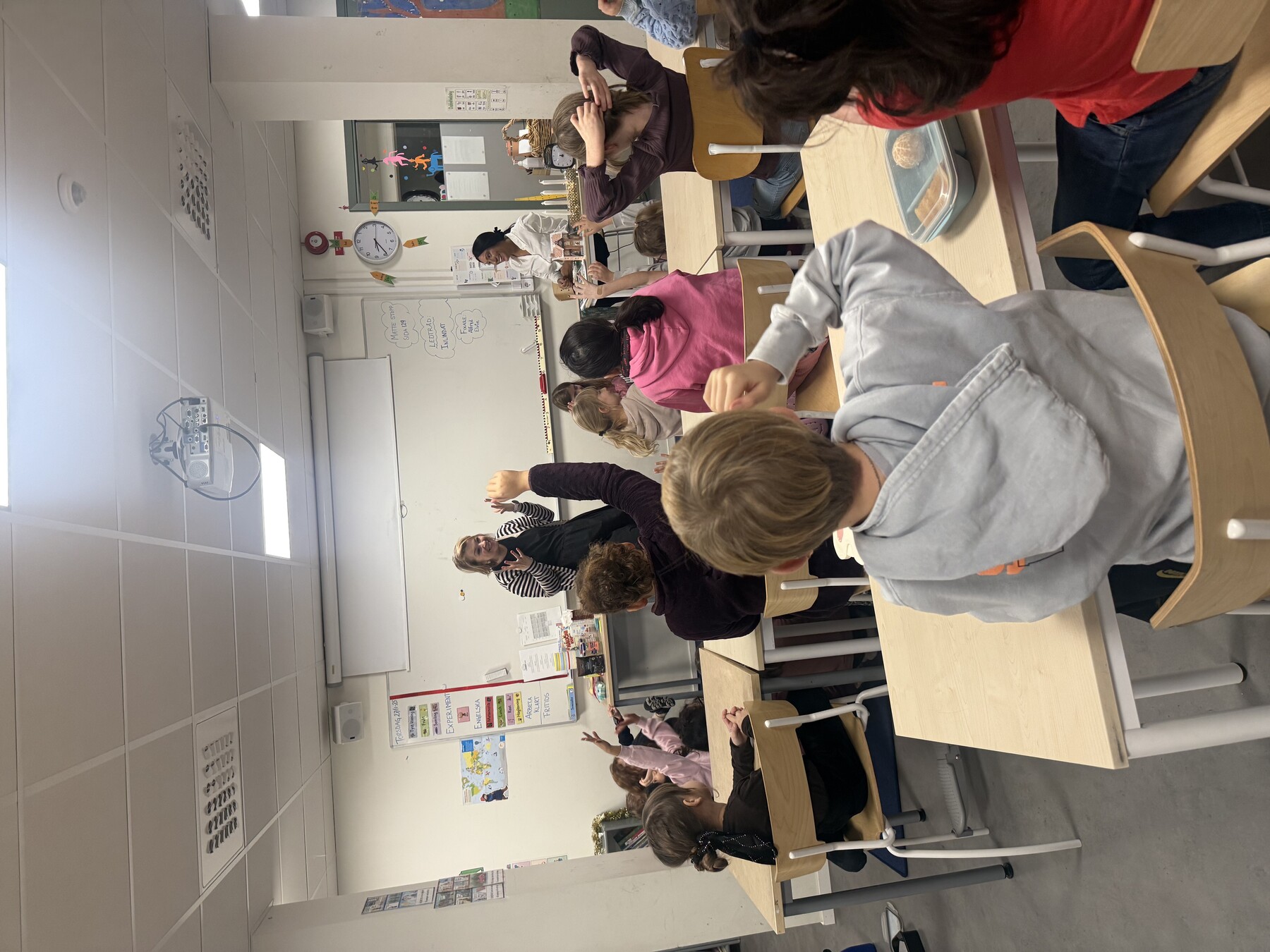
Science Facts We Explored
- Theobroma cacao, the cocoa tree, means “food of the gods” in Greek. It thrives in tropical rainforests within 20° of the equator, requiring warm temperatures (20–28°C) and high humidity.
- Cacao trees grow as understory plants, reaching 6–12 meters in height, and produce flowers directly on their trunks—a phenomenon called cauliflory.
- These flowers are pollinated by tiny midges, not bees! Only 1–5% of flowers develop into pods.
- Each cacao pod takes about 5 months to ripen and contains 20–60 seeds (cocoa beans) surrounded by sweet pulp.
- Cocoa beans are rich in theobromine, a stimulant similar to caffeine, and contain 40–50% fat as cocoa butter, which gives chocolate its smooth texture.
- Cocoa butter fatty acids—oleic, stearic, and palmitic—are the secret behind the creamy mouthfeel and the structure of a chocolate bar.
- Tempering chocolate is a precise science: heating and cooling chocolate to specific temperatures ensures the cocoa butter crystals form correctly. This gives chocolate its glossy finish, snap, and * resistance to blooming. For dark chocolate, the ideal tempering range is 31–32°C.
- Fermentation is key: beans ferment for about a week to develop over 300 flavor compounds before drying and roasting.
Taste Experiment
To understand how our taste receptors work, we tasted chocolate kids made with closed eyes. This sensory experiment helped students focus on sweetness, bitterness, and texture—showing how the tongue detects flavors and how the brain combines taste and smell to create the full chocolate experience.
After exploring the science and anthropology behind chocolate, we rolled up our sleeves for an art-meets-science challenge: creating our own chocolate masterpieces! From white to milk to dark chocolate, students decorated their treats with creativity and precision—turning chemistry into edible art.
The most inspiring moment? When we asked the group what they wanted to be when they grow up, 80% said “scientist”. That’s the power of hands-on STEM education—it sparks curiosity, builds confidence, and shows kids that science is not just in textbooks; it’s in the world around them (and sometimes, in their favorite snack!).
A special thank you to the phenomenal teachers at Glunten Montessori who contributed greatly to the success of this workshop. Their support and enthusiasm made this experience even more impactful for the students.
At Science Market Uppsala, we believe that learning by doing is the key to shaping future innovators. This workshop was more than chocolate—it was a taste of discovery.
“Den här veckan har vi startat igång vårt nya tema Yrken som kommer att fortsätta terminen ut. Vi har haft ett fantastiskt besök av en vårdnadshavare, Zorana som arbetar som forskare. Hon berättade om chokladens historia och visade experiment kopplade till sitt arbete. Eleverna fick till och med skapa sin egen choklad. Besöket var en stor succé, samtliga elever gav 10 av 10 i omdöme och många uttryckte att de nu vill bli forskare när de blir stora. Ett stort tack till Zorana för ett inspirerande och oförglömligt besök!”
-Sona, teacher 2nd grade
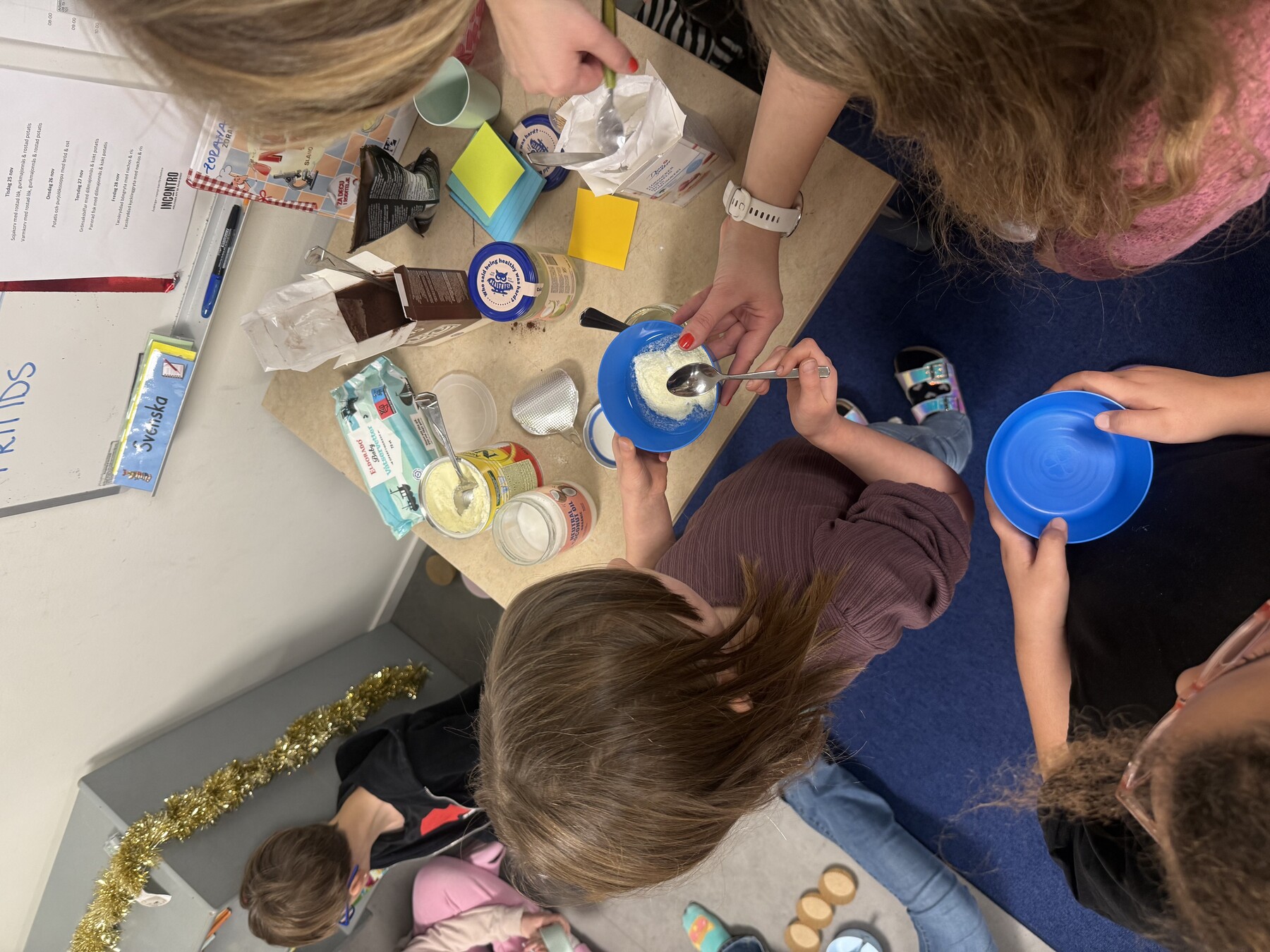
Bring Science to Life in Your Classroom!
Do you want your students to experience interactive science workshops, STEM activities for kids, and creative science education? Science Market Uppsala offers programs that combine storytelling, hands-on experiments, and art to make STEM unforgettable.
From chocolate chemistry to space exploration, we design sessions that inspire young minds and show that science is everywhere.
📩 Book a workshop for your school today!
👉 Visit www.sciencemarket.se or email us at PGEgY2xhc3MgPSAibF9tYWlsIGxfbmV3X3dpbmRvdyIgaHJlZj0ibWFpbHRvOnpvcmFuYUBzY2llbmNlbWFya2V0LnNlIiB0YXJnZXQ9X2JsYW5rPnpvcmFuYUBzY2llbmNlbWFya2V0LnNlPC9hPg== to learn more.
Let’s create the next generation of scientists—one exciting workshop at a time!